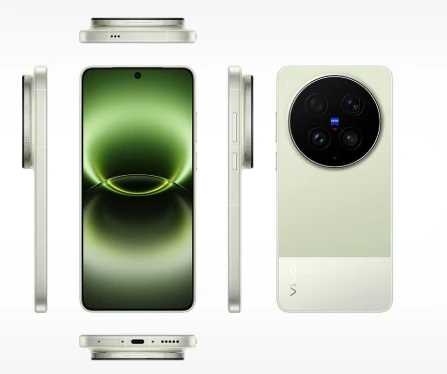
The flagship smartphone market has become more competitive than ever, and the arrival of the vivo X300 Ultra adds another serious contender to a segment already dominated by Apple’s iPhone 17 Pro Max and Google’s Pixel 10 Pro XL. All three devices target premium buyers, but each takes a different approach to performance, photography, software, and overall user experience.
The vivo X300 Ultra focuses heavily on camera hardware and flagship Android performance. The iPhone 17 Pro Max continues Apple’s strategy of delivering a tightly optimized ecosystem with strong video capabilities, while the Pixel 10 Pro XL emphasizes AI-powered features and Google’s computational photography expertise.
For buyers spending well over $1,000 on a smartphone, the choice is no longer about finding the most powerful device on paper. It is about choosing the flagship that best matches how you use your phone every day.
Pricing and Storage Options
Pricing is often the first factor buyers consider when comparing premium smartphones.
The vivo X300 Ultra is available with 16GB RAM and 512GB storage, priced at approximately ₹159,999. The iPhone 17 Pro Max starts at ₹149,900 for the 256GB version, while the 512GB and 1TB variants reach ₹169,900 and ₹189,900 respectively. The Google Pixel 10 Pro XL enters the comparison at around ₹124,999 for the 16GB RAM and 256GB storage model.
The value proposition differs significantly between these devices. Vivo includes 512GB storage in its flagship configuration, making it attractive for users who frequently shoot photos and videos. Apple’s pricing climbs quickly as storage increases, but many buyers justify the cost through long-term software support and resale value. Google’s Pixel remains the most affordable entry point among the three.
| Smartphone | Starting Price | Storage Configuration |
| vivo X300 Ultra | ₹159,999 | 16GB + 512GB |
| iPhone 17 Pro Max | ₹149,900 | 256GB to 1TB |
| Google Pixel 10 Pro XL | ₹124,999 | 16GB + 256GB |
Display Comparison
Display quality plays a major role in the flagship experience, particularly for users who consume content, edit photos, or spend hours on their devices daily.
The vivo X300 Ultra features a 6.82-inch 2K LTPO AMOLED display with a resolution of 3168 × 1440 pixels and a 120Hz refresh rate. Its sharp resolution makes text and images look exceptionally detailed.
Apple equips the iPhone 17 Pro Max with a 6.9-inch Super Retina XDR display featuring a 120Hz refresh rate and up to 2,000 nits of peak brightness. Apple continues to excel in color accuracy and HDR video playback, making it particularly appealing for media consumption.
The Google Pixel 10 Pro XL uses a 6.8-inch Super Actua LTPO OLED panel with a dynamic 1–120Hz refresh rate and up to 3,300 nits of peak brightness. Outdoor visibility is one of the strongest advantages of Google’s flagship.
Performance and Processing Power
The vivo X300 Ultra is powered by Qualcomm’s Snapdragon 8 Elite Gen 5 processor, positioning it among the most powerful Android devices available. It is designed for gaming, multitasking, and demanding productivity workloads.
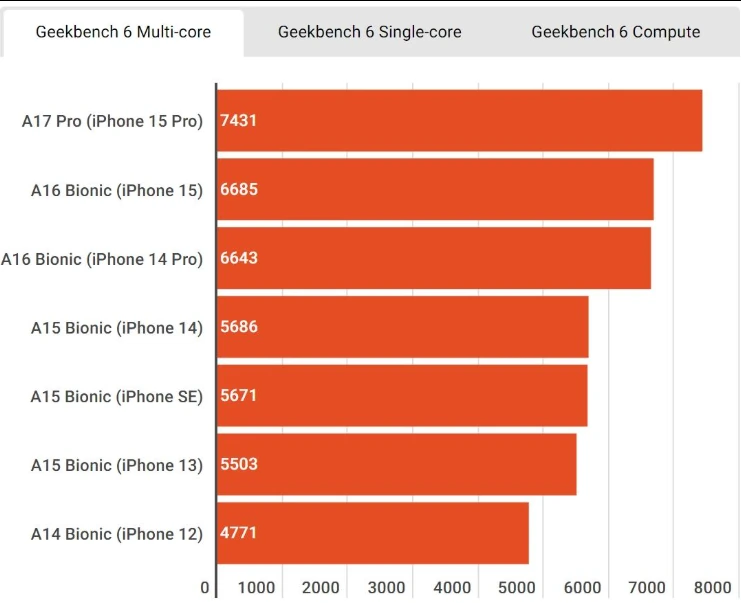
The iPhone 17 Pro Max runs on Apple’s A19 Pro chipset. Apple’s strength lies not only in raw performance but also in how efficiently hardware and software work together. This optimization often allows iPhones to maintain excellent responsiveness for years after launch.
Google’s Pixel 10 Pro XL features the Tensor G5 processor. Unlike Qualcomm and Apple, Google’s focus is not purely benchmark performance. Tensor prioritizes AI workloads, advanced voice processing, image enhancement, and smart software features.
For pure performance enthusiasts, the Snapdragon-powered vivo is likely the strongest Android option. For long-term consistency and software optimization, the iPhone remains difficult to beat. For AI-driven functionality, Google’s Tensor ecosystem stands out.
Camera Systems Compared
Camera performance is one of the biggest battlegrounds among flagship smartphones.
The vivo X300 Ultra offers an impressive setup consisting of a 200MP primary camera, a 200MP periscope telephoto lens, and a 50MP ultra-wide sensor. A 50MP front-facing camera handles selfies and video calls. On paper, this is one of the most ambitious camera systems in the segment.
Apple equips the iPhone 17 Pro Max with a triple 48MP camera array, including wide, ultra-wide, and telephoto sensors. While Apple may not lead in megapixel counts, it continues to dominate video recording quality, stabilization, and color consistency.
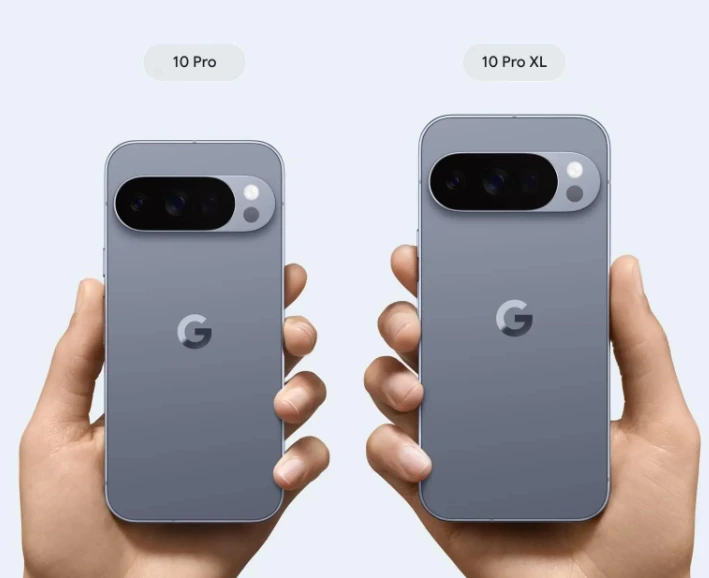
The Google Pixel 10 Pro XL combines a 50MP main camera with 48MP ultra-wide and telephoto sensors. Google’s advantage comes from software processing rather than hardware specifications. The Pixel remains one of the easiest phones for capturing reliable, natural-looking photos in almost any lighting condition.
If zoom photography and camera hardware matter most, the vivo X300 Ultra has a strong advantage. For video creators, the iPhone 17 Pro Max remains the benchmark. For effortless point-and-shoot photography, the Pixel 10 Pro XL is arguably the most convenient option.
Software Experience
The vivo X300 Ultra runs Android 16 with OriginOS 6. It offers extensive customization and Android flexibility, appealing to power users who enjoy tweaking their devices.
The iPhone 17 Pro Max ships with iOS 26. Apple continues to benefit from one of the strongest device ecosystems in the industry, connecting seamlessly with MacBooks, iPads, Apple Watches, and AirPods.
Google’s Pixel 10 Pro XL runs Android 16 in its purest form. Fast software updates, exclusive AI features, and a clean user interface make the Pixel especially attractive for Android enthusiasts.
Which Phone Should You Buy?
The best choice depends entirely on your priorities.
Choose the vivo X300 Ultra if you want cutting-edge camera hardware, powerful Android performance, and flagship-level specifications.
Choose the iPhone 17 Pro Max if you prioritize video recording, ecosystem integration, software longevity, and premium refinement.
Choose the Google Pixel 10 Pro XL if you want the smartest Android experience, industry-leading computational photography, and Google’s latest AI features.
For camera enthusiasts, vivo has the edge. For content creators and Apple users, the iPhone remains a compelling option. For those who value software intelligence and photography simplicity, the Pixel continues to be one of the strongest flagship choices available.